





News
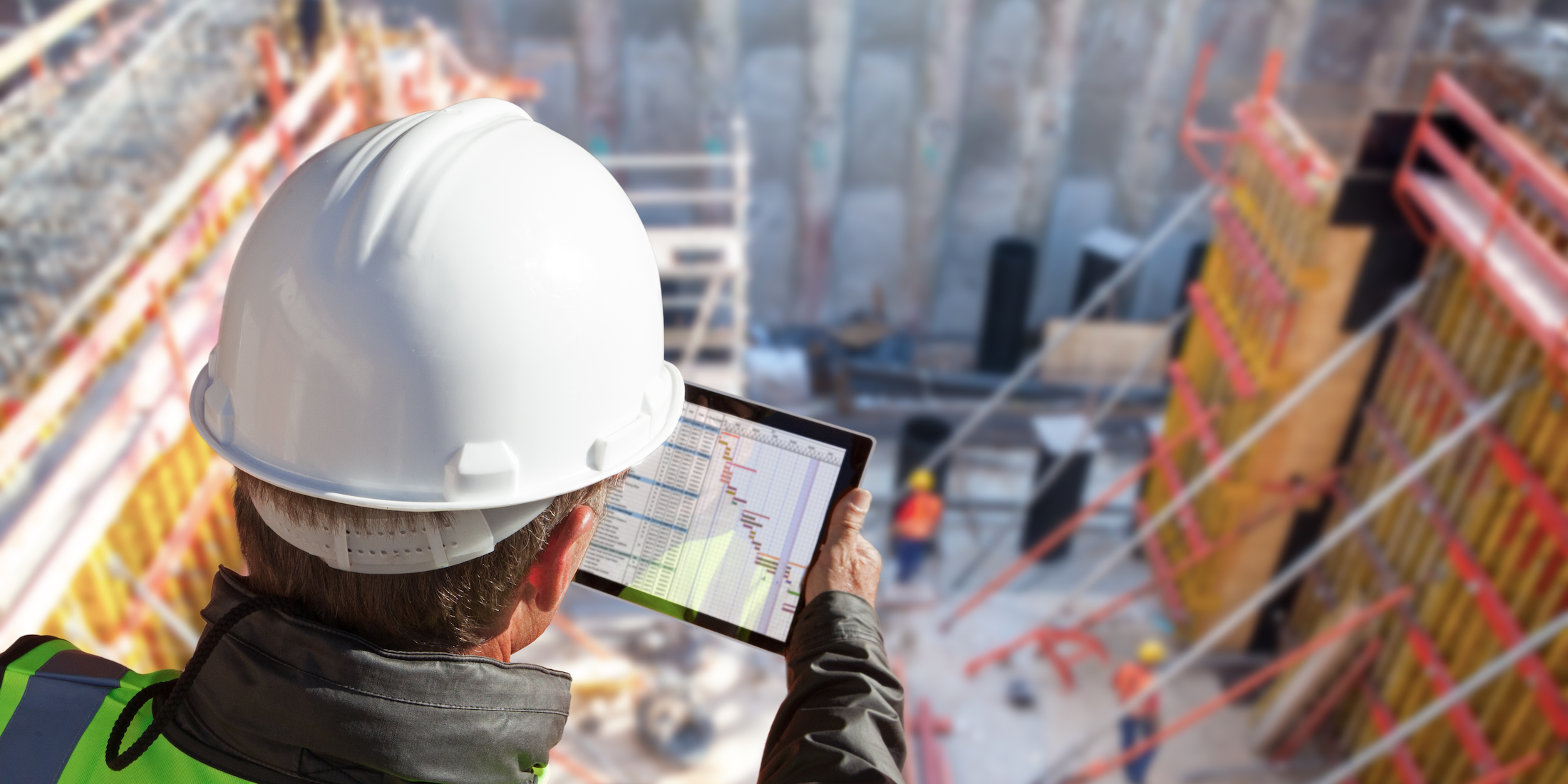
Construction sites are inherently hazardous. Workers operate in environments where they are exposed to various risks, including falls, equipment malfunctions, and exposure to harmful substances. According to the Occupational Safety and Health Administration (OSHA), one in five worker deaths in the United States occurs in construction. The “Fatal Four” – falls, struck-by-object incidents, electrocutions, and caught-in/between incidents – account for more than half of all construction worker deaths.
Ensuring safety on construction sites involves rigorous compliance with numerous regulations and standards. Construction companies must regularly conduct safety audits, maintain equipment certifications, and ensure that all personnel are adequately trained. Despite these efforts, challenges persist:
- Manual Processes: Traditionally, safety management involves extensive paperwork and manual tracking of certifications, inspections, and incident reports which can result in mistakes and oversights.
- Lack of Real-time Data: Without real-time updates, safety managers may not have the most current information about equipment status or worker certifications, leading to potential safety hazards.
- Delayed Incident Reporting: In the event of an incident, timely reporting is crucial for effective response and compliance. Manual processes can delay incident reporting, exacerbating risks.