




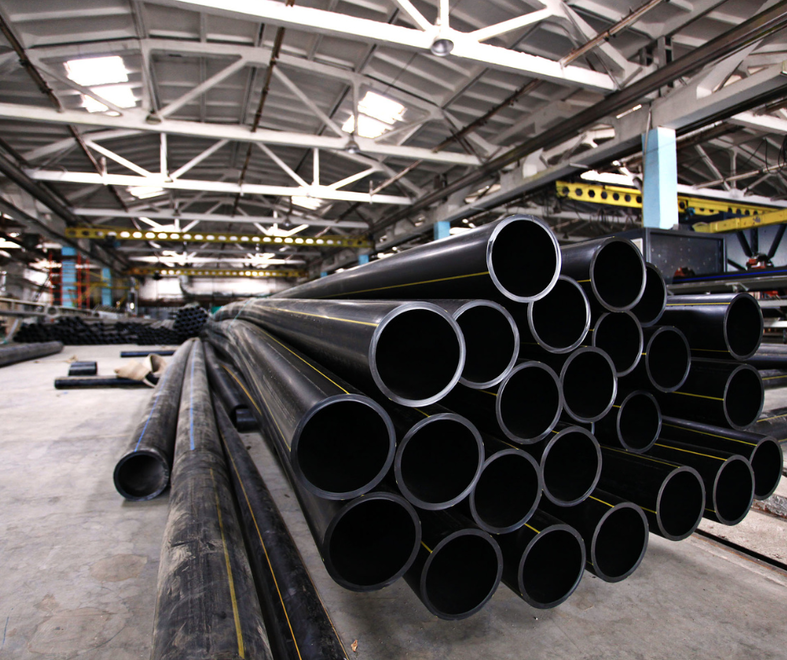



Waste in commercial plumbing projects can take many forms. Material waste is one of the most visible and costly forms, with pipes, fittings, and other supplies often being over-ordered, misused, or damaged. This not only leads to unnecessary expenses but also creates environmental concerns, as unused materials often end up in landfills.
Labor inefficiencies are another significant contributor to waste. When workers are not effectively managed, tasks can take longer than necessary, leading to increased labor costs. Additionally, poor communication and lack of coordination can result in rework, where tasks must be repeated or corrected, further adding to the project’s overall cost.
Time is another crucial factor. Delays in project timelines can result from a variety of issues, including poor scheduling, unexpected site conditions, or supply chain disruptions. These delays can have a cascading effect, leading to missed deadlines, increased labor costs, and penalties for late delivery.